
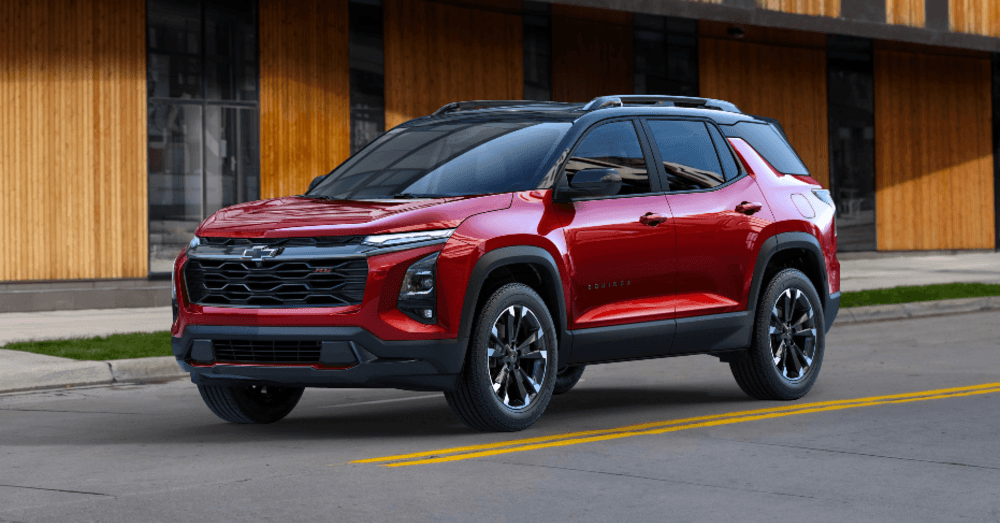
Walk through any dealership lot and two versions of the same SUV can look nearly identical from twenty feet away. Same silhouette, same wheels, sometimes even the same color. But step inside both, and you might feel like you’re comparing two completely different vehicles.
- Trim levels within the same model can differ by thousands of dollars and dozens of features, from driver assistance tech to the stitching on the seats.
- Interior materials, infotainment screen size, and safety systems are among the most common upgrades as you move up through a model’s lineup.
- Understanding what changes between trims helps you avoid paying for features you don’t need, or missing ones you’ll wish you had.
Where the Differences Actually Start
Most shoppers focus on price and fuel economy when comparing SUVs. Those numbers matter, but they rarely tell the whole story. What you’re really buying when you choose a trim level is a bundle of trade-offs: comfort versus cost, technology versus simplicity, capability versus practicality.
Start with the interior. A base trim usually gets hard plastic panels, cloth seats, and a smaller touchscreen. Move up one or two rungs and you’ll often find soft-touch surfaces on the dashboard, heated front seats, and a noticeably larger display. It sounds minor on paper, but after a long commute, those differences are easy to feel.
Automakers design trim ladders intentionally. The base model gets you in the door, the mid-tier is often the best overall value, and the top trim is loaded with every option the brand offers. What varies is how big the jump is between each step, and that gap looks pretty different depending on which brand you’re shopping.
How Driver Assistance Tech Scales Across Trims
This is the category that’s changed most dramatically over the past several years. Automatic emergency braking, lane departure warning, and blind-spot monitoring used to be optional add-ons reserved for top trims. Now many automakers include some level of driver assistance on every model, regardless of trim.
But there’s still a gap. Base trims often get a basic safety suite with limited range and sensitivity. Step up and you’ll find adaptive cruise control that can maintain speed and following distance automatically, lane centering that keeps you in your lane on the highway without constant corrections, and rear cross-traffic alerts that actually work well in tight parking lots.
For daily highway driving, adaptive cruise control alone can make a mid-tier trim feel like a luxury upgrade. It’s one of those features that’s hard to go back on once you’ve used it regularly.
Infotainment and Connectivity
Screen size is the most visible difference, but it’s not always the most important one. A base trim might offer an 8-inch touchscreen that handles navigation and Apple CarPlay just fine. An upper trim could bump that to 10 or 12 inches with a faster processor, wireless phone projection, a premium sound system, and a built-in Wi-Fi hotspot.
For families with kids in the back seat, the wireless connectivity and rear USB ports that show up on higher trims can matter a lot. Someone who just needs maps and music will probably find the base screen does the job just fine.
Automakers like Chevrolet organize these upgrades clearly across their lineups. With Chevrolet Equinox trim levels, you can see exactly how infotainment, safety features, and interior materials scale from the entry LS trim all the way to the Premier, which makes it much easier to find the configuration that fits both your needs and your budget.
Interior Materials and Comfort
Cloth versus leather is the obvious one, but the real difference shows up in smaller ways. Contrast stitching, leatherette wrapping on the steering wheel and door panels, and adjustable lumbar support all tend to arrive at the mid-to-upper trim levels. Power-adjustable seats, memory settings, and ventilated cushions usually come later in the lineup.
Noise insulation also tends to improve on higher trims. Acoustic glass, additional sound deadening material, and stiffer body seals all contribute to a quieter cabin. If you spend a lot of time on the highway, the difference between a base trim and a top trim on cabin noise alone can be surprisingly big.
Picking the Trim That Fits Your Drive
There’s no universal right answer on trim level. A commuter who mostly drives city streets and parks in tight garages might find the base or mid-tier model covers everything they actually use. A driver who logs highway miles five days a week will likely get real daily value out of adaptive cruise, better seats, and a quieter cabin.
The best approach is to list the features you know you’d actually use, then find the lowest trim where all of them appear. You’ll often discover that mid-tier models hit that sweet spot between price and features without pushing into the loaded top-trim territory, where the extras feel nice but rarely justify the full price difference.
Modern SUVs reward buyers who do their homework. The differences between trims are well documented on manufacturer websites, and most dealers will let you compare builds side by side before committing. Take the time to do it, and you’ll end up in a vehicle that genuinely fits how you drive.
